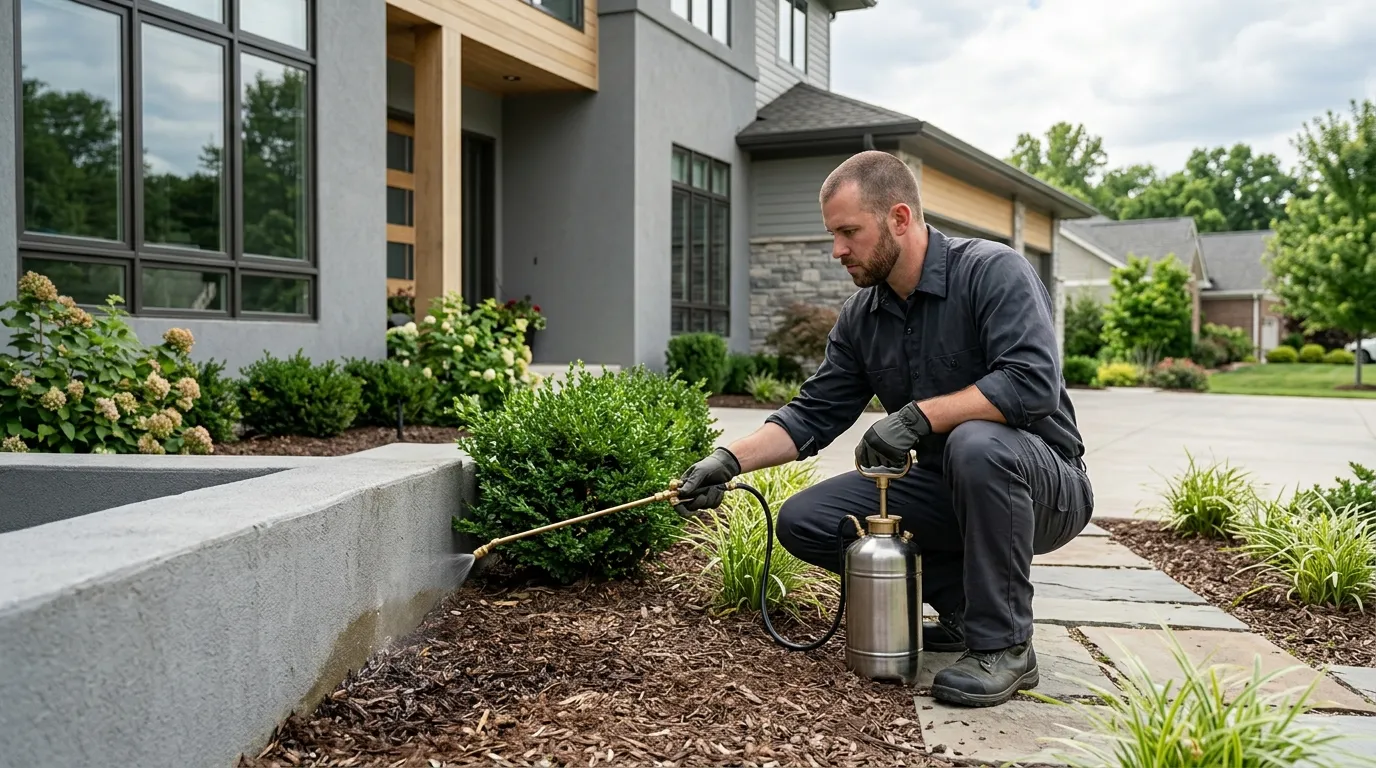
Wood-Destroying Threat
Western Carpenter Ants
Camponotus modocForage from river pine groves into suburban framing, tunneling through damp roof sills, window headers, and deck ledgers.
Professional Treatment Protocol
Schedule Inspection →
Situated along the Spokane River gorge between Spokane and Coeur d'Alene, Post Falls has transformed into one of North Idaho’s most rapidly growing communities. Built across the Rathdrum Prairie aquifer, local subdivisions face intense seasonal pest pressures, from prairie yellowjackets nesting in open ground to timber carpenter ants invading structural framing and hobo spiders entering window wells during late-summer cooling.
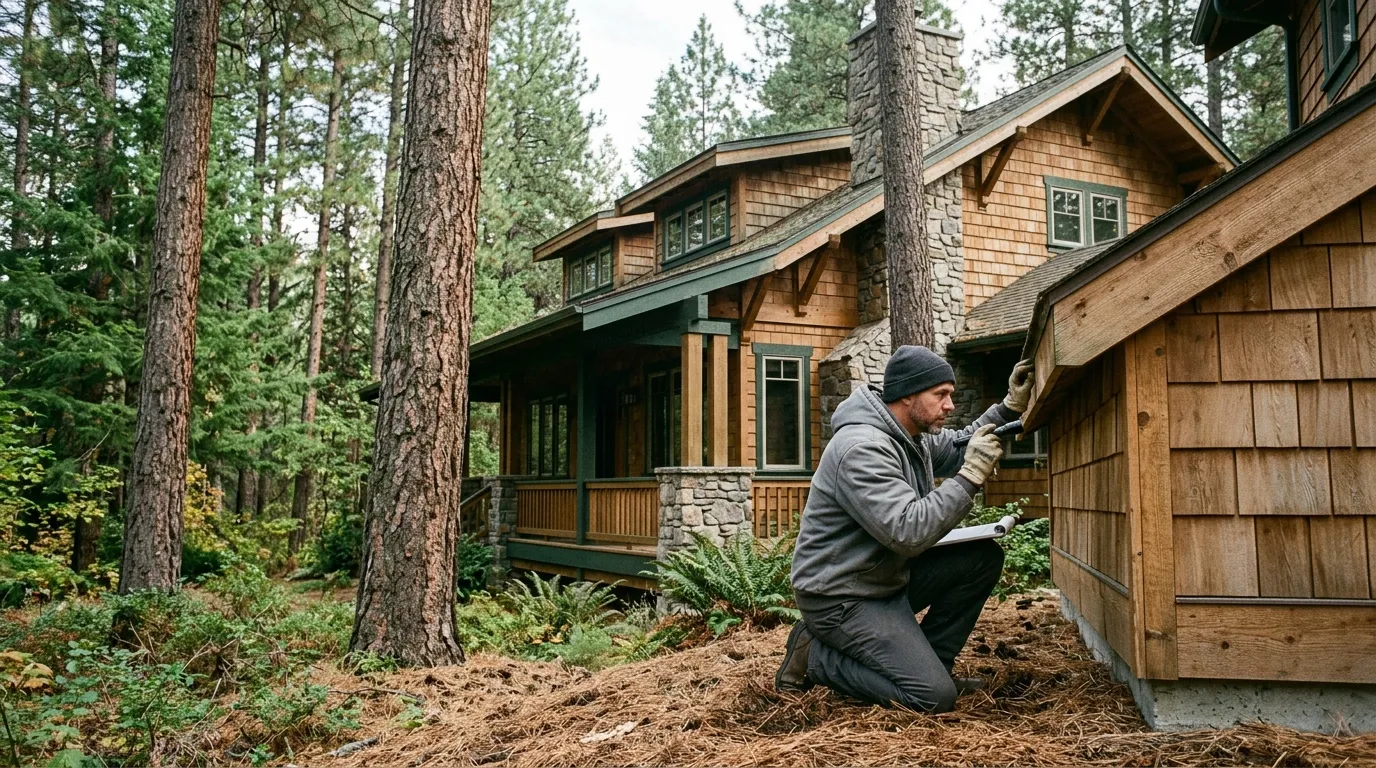
Cold-hardy structural pest protocols protecting Post Falls properties against carpenter ants and rodents.
Post Falls rests atop the porous gravels of the Rathdrum Prairie aquifer. High winds sweeping across the prairie push foraging insects toward residential structures, while riverbank foliage provides continuous breeding grounds for spiders, wasps, and seasonal midges.
Rapid construction across neighborhoods like Fieldstone, Montrose, and Tullamore has turned native prairie into dense residential tracts. Slab-on-grade foundations and daylight basements frequently develop settlement cracks and window-well entry points where hobo spiders and mice gain quick indoor access.
Soils in Post Falls consist of coarse glacial outwash gravels. These soils drain water rapidly, causing upper soil layers to dry out by mid-summer and forcing subterranean termites and ants to forage toward artificially irrigated home perimeters and lawn edges.
Inland Northwest seasonal shifts and pine forest topography influence pest activity throughout Post Falls.
Forage from river pine groves into suburban framing, tunneling through damp roof sills, window headers, and deck ledgers.
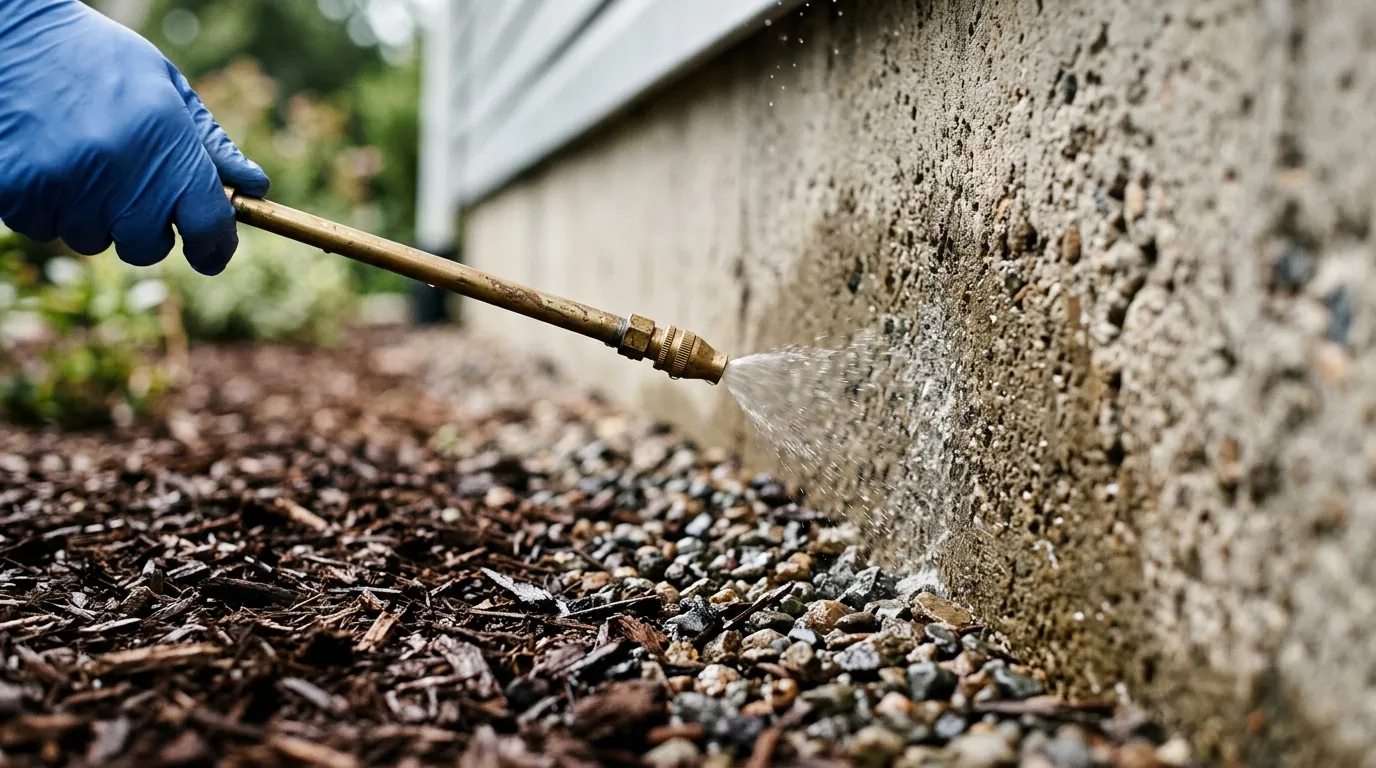
Establish funnel webs in exterior window wells, rock landscaping, and unfinished basement corners, wandering indoors in August and September.
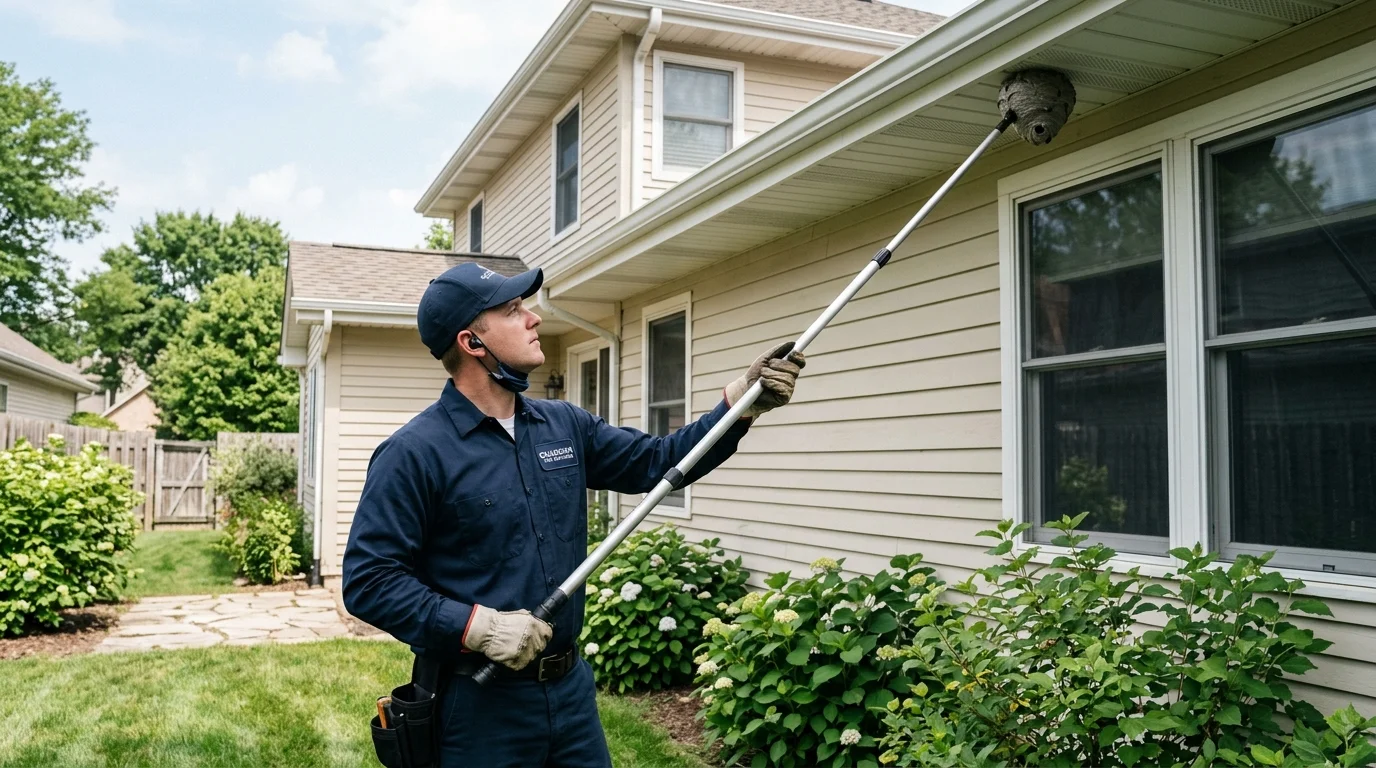
Colonize underground burrows in open prairie turf, becoming extremely hostile around outdoor patios and garbage enclosures in late summer.
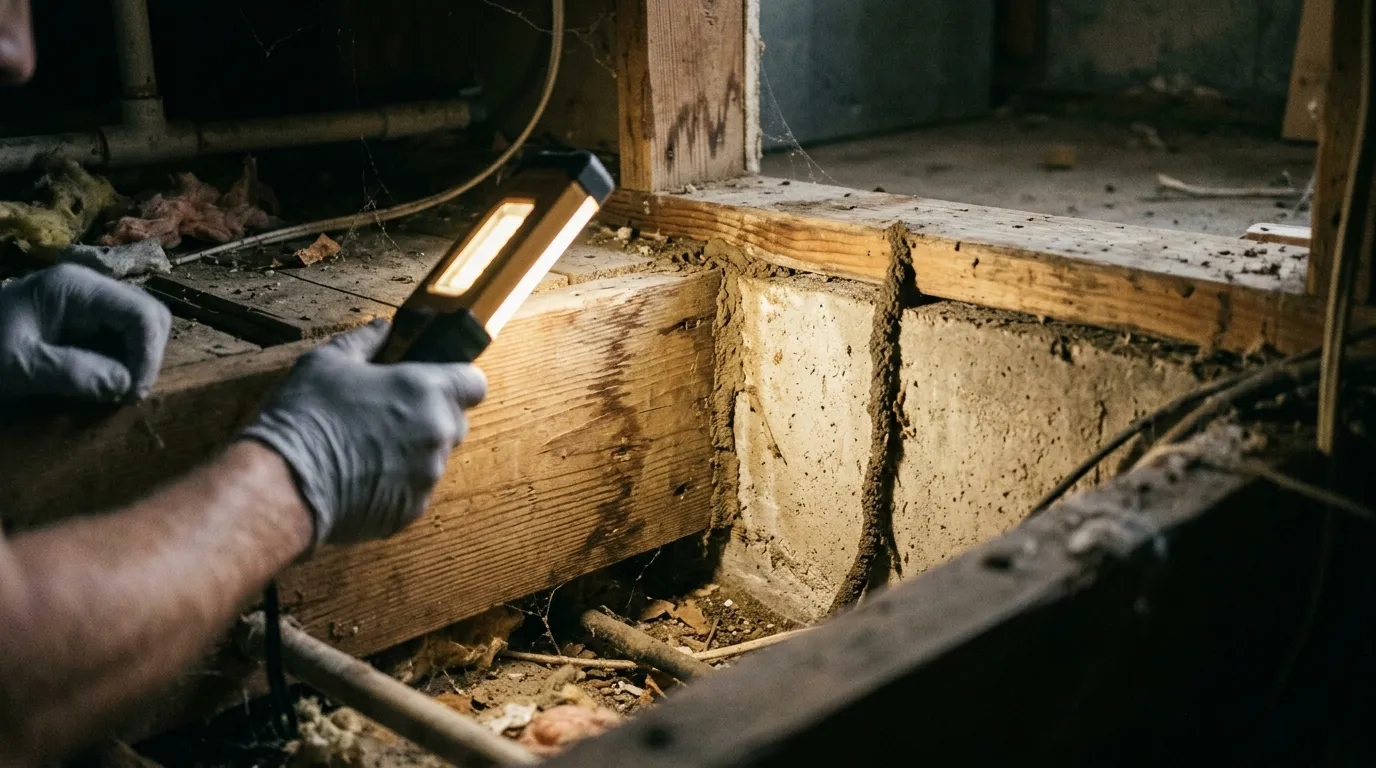
Target structural timber in direct soil contact and crawlspace floor framing across older properties and new irrigated landscaping.
Apply protective foundation perimeter barriers in May to intercept carpenter ant foraging trails. In July and August, treat active ground-nesting yellowjackets before stings occur, and install window well spider barriers before September cooling.
Independent contractor referrals in Post Falls hold commercial pesticide applicator licenses with the Idaho State Department of Agriculture (ISDA Title 22). Verify active licensing and insurance directly.
Non-repellent perimeter treatments stopping carpenter ants before they tunnel into structural timbers.
Targeted exterior foundation spray and window well dusting preventing hobo spider intrusions.
Emergency same-day removal of aggressive prairie yellowjacket ground nests.
Explore our comprehensive pest protocols and specialized treatment guides across the Inland Northwest service network:
Connect with an independent local contractor serving Post Falls, ID for fast diagnostic scheduling.