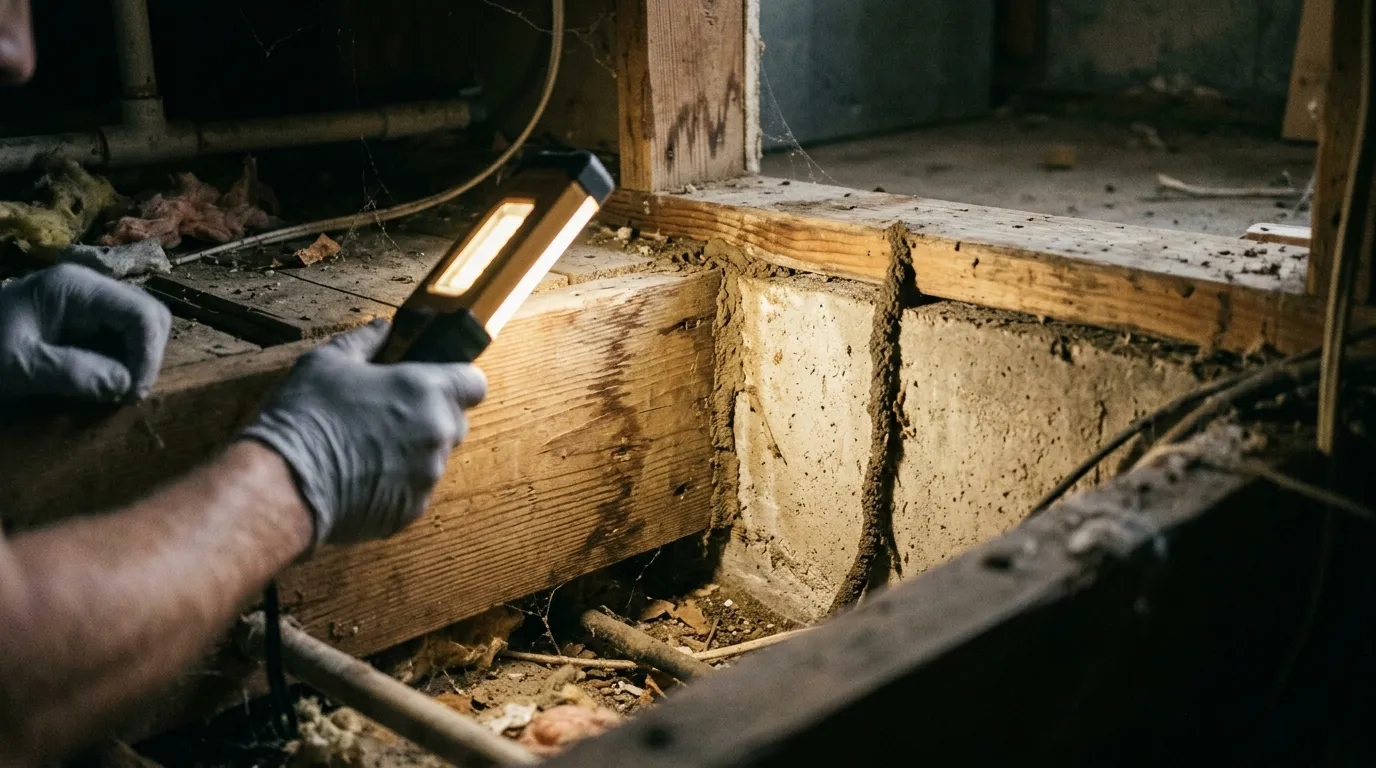
Eastern Subterranean Termites
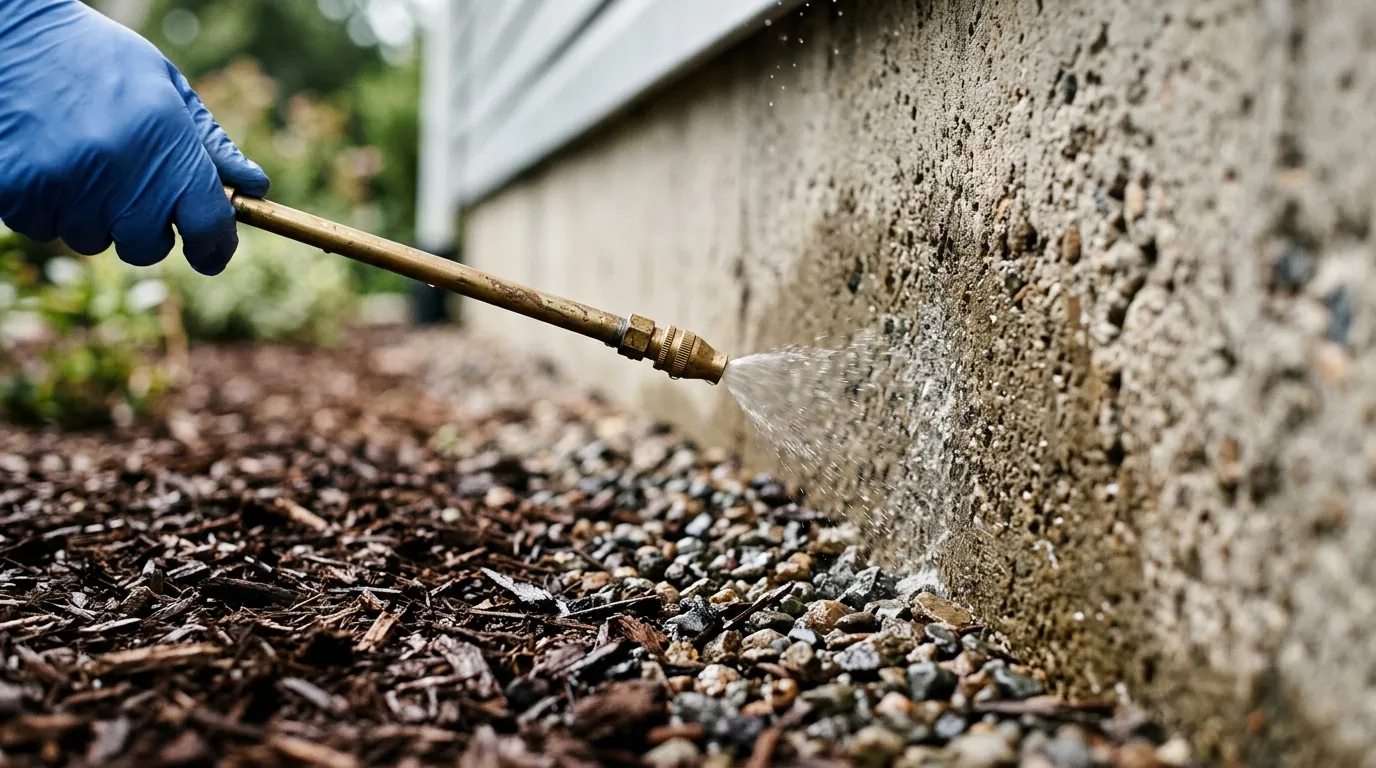
Reticulitermes flavipesThe premier structural threat in Posey County, entering homes through foundation cracks and hollow masonry blocks to destroy floor framing.
Situated on high sandstone bluffs overlooking the Ohio River near the mouth of the Wabash, Mount Vernon is a vital port city surrounded by fertile agricultural bottomlands and industrial river terminals. The areaβs high humidity, alluvial soil moisture, and river barge traffic create extreme pressures from wood-destroying subterranean termites, floodplain mosquitoes, and seasonal rodent intrusions.
Licensed contractor specialists protecting Mount Vernon homes against humidity and wood-destroying pests.
The confluence of the Ohio and Wabash rivers produces expansive wetland sloughs and backwater bottomlands across Posey County. Summer dew points routinely top 75Β°F, creating hyper-productive mosquito breeding grounds and driving subterranean termite colonies to forage aggressively throughout the long warm season.
Downtown Mount Vernon contains historic residences with old timber framing and stone foundations resting directly on damp river silt. Further inland, ranch and split-level homes in Western Hills and Country Club Manor feature crawlspaces where excessive humidity invites fungal decay, brown recluse harborage, and wood-destroying beetles.
Posey County subsoils are deeply alluvial, deposited by historic river flooding. These moisture-retaining silt loams maintain high sub-surface water tables, making liquid termiticide bonding and continuous barrier maintenance critical to stop exploratory termite foraging.
Ohio River humidity, floodplain bottomlands, and seasonal shifts drive pest pressures across Mount Vernon.
The premier structural threat in Posey County, entering homes through foundation cracks and hollow masonry blocks to destroy floor framing.
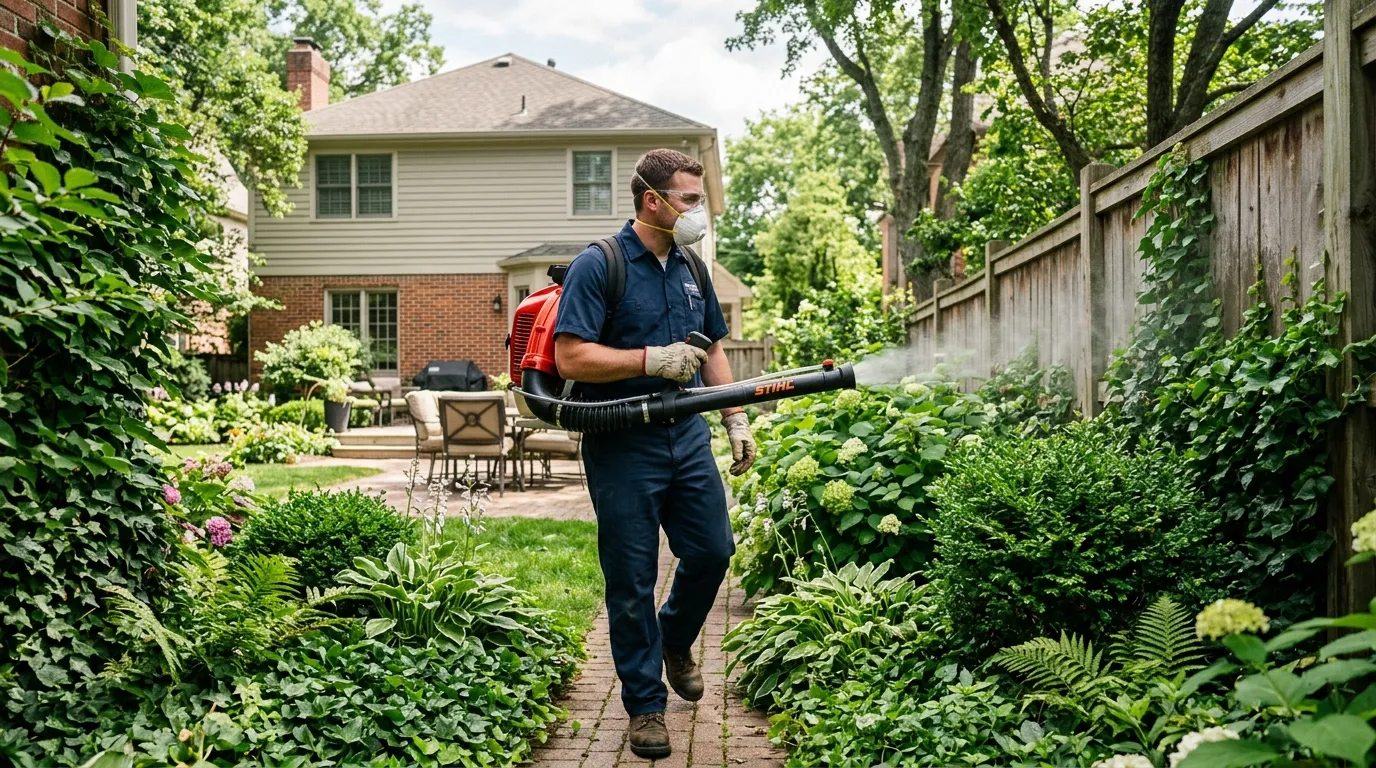
Swarm aggressively from river sloughs from June through September, requiring misting barriers and larviciding to protect outdoor areas.
Common in older outbuildings, attics, and dark crawlspace floor framing, remaining active inside wall cavities year-round.
Drawn to river barge facilities and grain terminals, burrowing into residential crawlspaces along river bluffs during autumn cooling.
Perform annual spring subterranean termite inspections and check foundation weepholes. Establish exterior mosquito barrier zones in early summer, and seal basement entry points before river barge rodent migrations peak in late October.
Independent contractor referrals in Mount Vernon hold commercial licenses through the Office of Indiana State Chemist (OISC). Confirm credentials and liability coverage directly.
Essential perimeter defense protecting alluvial river bluff properties from structural termite damage.
Targeted barrier sprays knocking down river bottomland mosquito swarms.
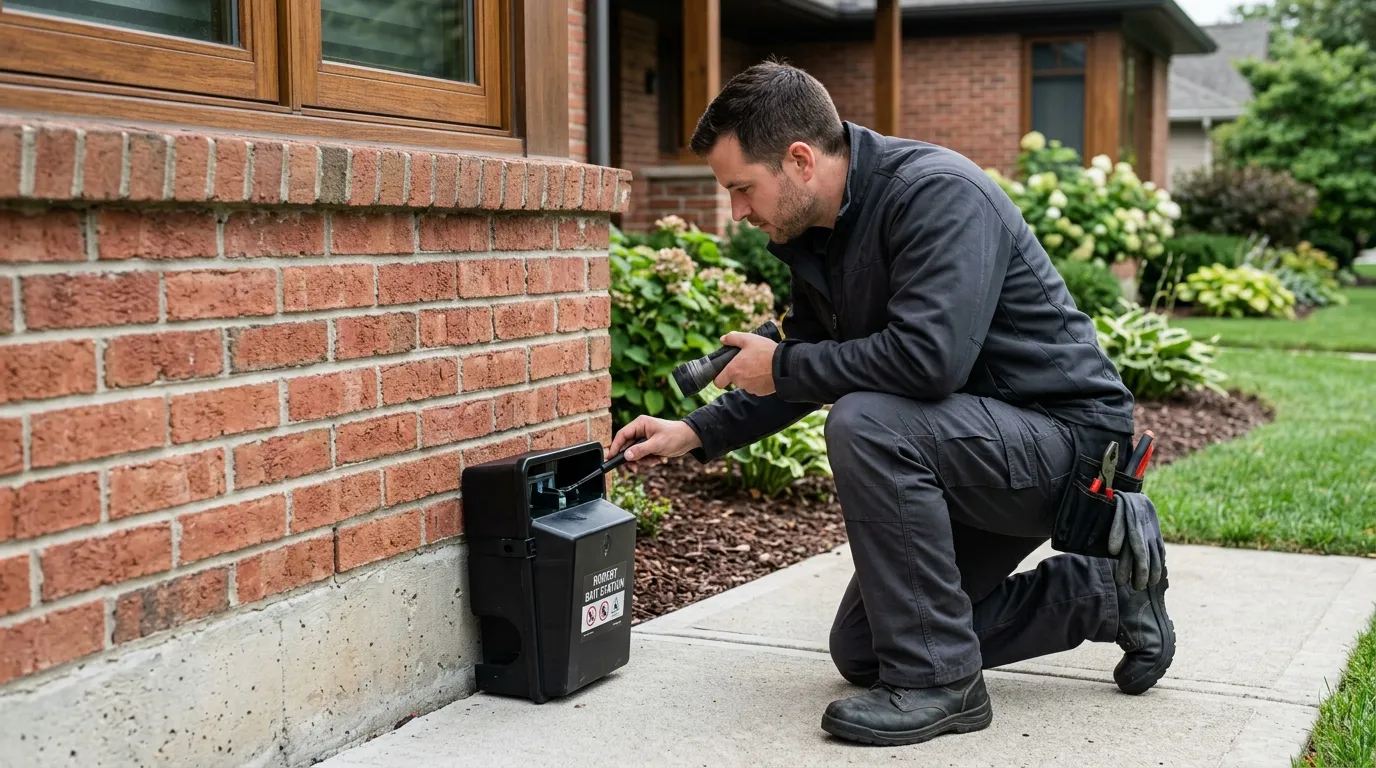
Heavy-duty crawlspace exclusion and trapping clearing riverfront rodent invaders.
Review localized pest management guides and directory listings in neighboring Posey County areas:
Connect with an independent local contractor serving Mount Vernon, IN for fast diagnostic scheduling.